Lancaster was the state capitol for a short while from 1799 to 1812 after Philadelphia and preceding Harrisburg today. Included in William Penn’s original land grant in 1681, it is one of the oldest inland cities in America incorporated in 1742. It was also the U.S. capital for one day during the War of Independence at the present-day Soldiers and Sailors Monument.
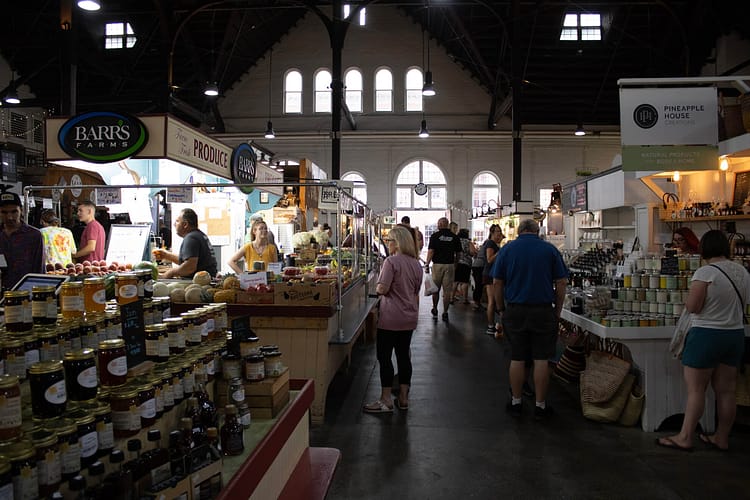
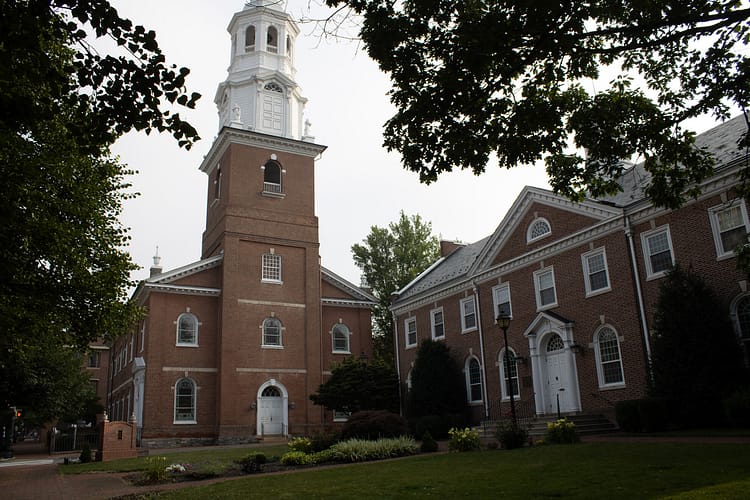

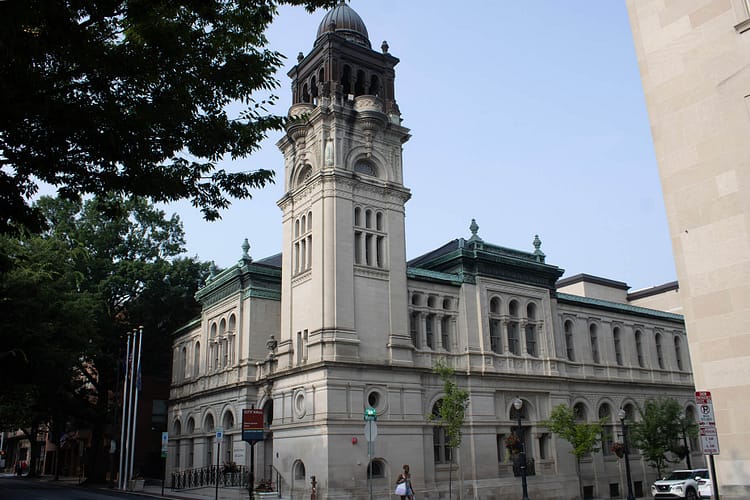
The 15th president of the U.S. James Buchanan bought a house here when he was Secretary of State, the central market has much fewer Amish vendors than in Harrisburg, and all the first churches from different denominations coexist in a neat row on the same street. The Holy Trinity Lutheran Church founded in 1730 is one of the oldest and was the site of a treaty with Native Americans.
In the 1960s, the intimate streets of Lancaster were razed for urban renewal and replaced with a large mall and civic buildings. It removed historic architecture, led small businesses to close after large stores took up market share, and destroyed old cinemas and nightclubs. In the early 21st century, the city again redesigned the renewed area after policy failure—just like Buchanan.


2 Comments
President Buchanan’s folly – Jonathan Got · August 31, 2026 at 8:27 AM
[…] wrote his memoirs in 1861 when he retired to Lancaster to defend his position on keeping slavery, but history did not vindicate him. He supported […]
Amish Farm and Home Museum – Jonathan Got · September 4, 2026 at 8:27 AM
[…] is America’s first Amish museum established in 1956. It’s east of Lancaster deep in Pennsylvania’s Amish country. The region also has Quaker and Mennonite families. […]
Comments are closed.