SS Jeremiah O’brien

The US made 2,710 liberty ships to carry supplies across the Atlantic Ocean during the second world war. It only took 60 days to make one, which helped because they needed to make ships faster than he German U-boats could sink them. This one moored in San Francisco is only Read more

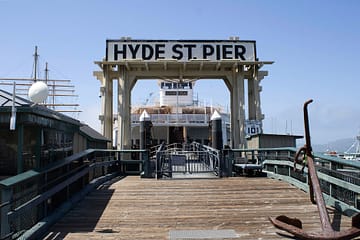
Hyde Street Pier

San Francisco made an assortment of boats and ships with styles such as Chinese junk brought over by immigrants. The National Historic Park has over 100 small boats in its collection maintained by traditional craftsmanship. Many of them are fishing vessels. The pier is noted to be an important crossing Read more

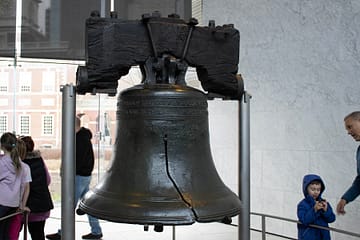
Liberty Bell

The Liberty Bell in Philadelphia, like many other American patriotic symbols, are not what the traditional national narrative claims it to be. For example, the Star Spangled Banner written at Fort McHenry came from the War of 1812, an expansionist American war of aggression against the British Empire, which they Read more

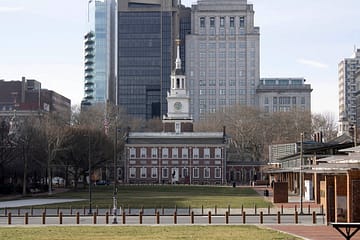
Independence Hall

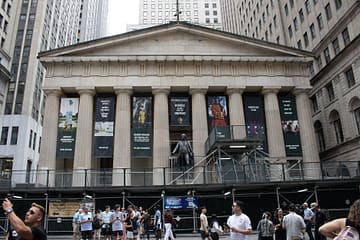
Philadelphia was the largest city in British North America at the time. Independence Hall was originally built as Pennsylvania’s colonial seat of power with the governor’s office and the courtroom inside the building. The Declaration of Independence and the U.S. Constitution were signed here. You have to book in advance Read more

Ford’s Theater

Americans don’t have deep historical roots, their approach to history mirrors that of Catholic relics. They encase fragments of flags that flew during major battles in a glass case and show off Lincoln’s paperweights. None of those items have any historical significance apart from being associated with an event or Read more

Springfield Armory

Ever seen one of those old-timey civil war rifles with “SPRINGFIELD, MASS” engraved on the metal slide? This is where it was made. George Washington himself authorized the construction of an armoury for the US Army in Springfield and it operated until 1968 hiring up to 14,000, or almost the Read more

Manoir Papineau

After the French stole this tract of land from indigenous people, the king granted it to Monseigneur François de Laval in 1674. In 1801, Joseph Papineau, a Lower Canadian legislator, bought the land and developed it. He sold it to his eldest son in 1817, who in 1855, named his Read more

Fort Erie

On the short of Lake Erie, Fort Erie stares down Buffalo with its might 18-pound cannons. Soldiers from all over Europe, including Swiss mercenaries, fought for Britain against the rebellious 13 colonies. But in 1814, the Americans captured the fort and used it as a base for attacking the British Read more