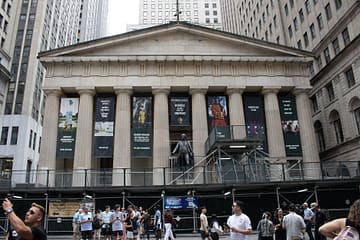
This free-admission museum in uptown Charlotte only features temporary exhibitions. It focuses on post-Civil War racial justice issues to the modern day. The exhibition I saw was on climates of inequality about how climate change disproportionately affects poorer people and racial minorities.
The government forced racial segregation by redlining zones on a map where many black people lived and intentionally destroyed their homes to make room for highways to white suburbs by saying that the housing was not fit for habitation. The museum traced back the problem of pollutants in the waterways and ground to textile mills of the late 19th century spewing pollution in poorer areas for decades, for example.
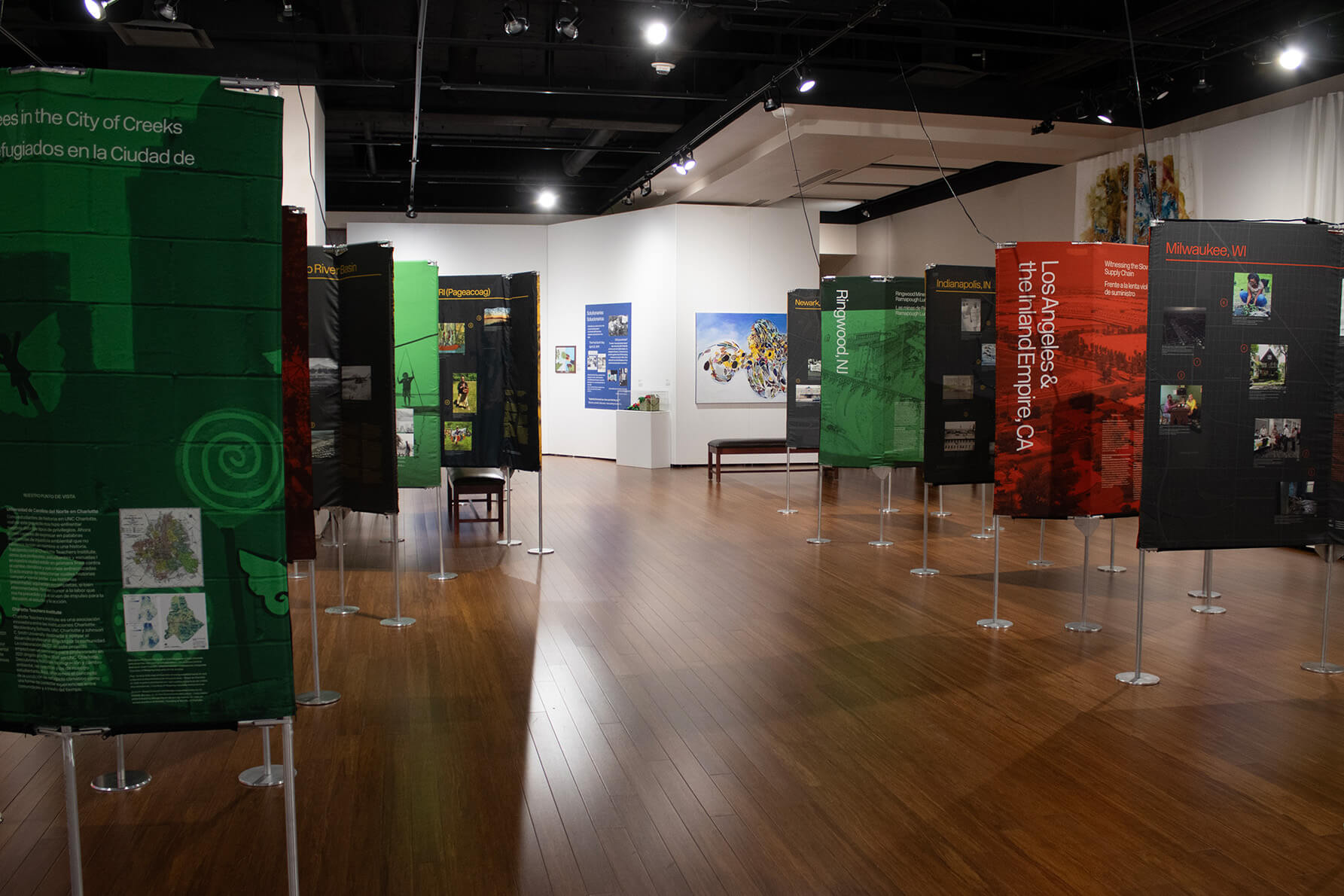
The exhibits explore the issue of environmental justice city by city to trace the causes of blight, their effects on black and immigrant communities, and what can be done to remediate the issue. In Newark, Ironbound district is flanked by a sewerage treatment plant and a large garbage incinerator. In east Los Angeles, residents are burdened by the pollution from the port and airport as well as diesel trucks picking up shipments.
A worthwhile learning experience to look at climate justice on the micro level.