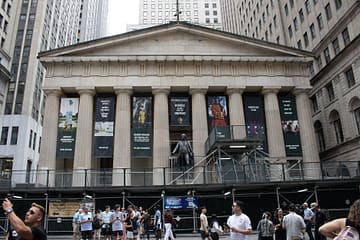
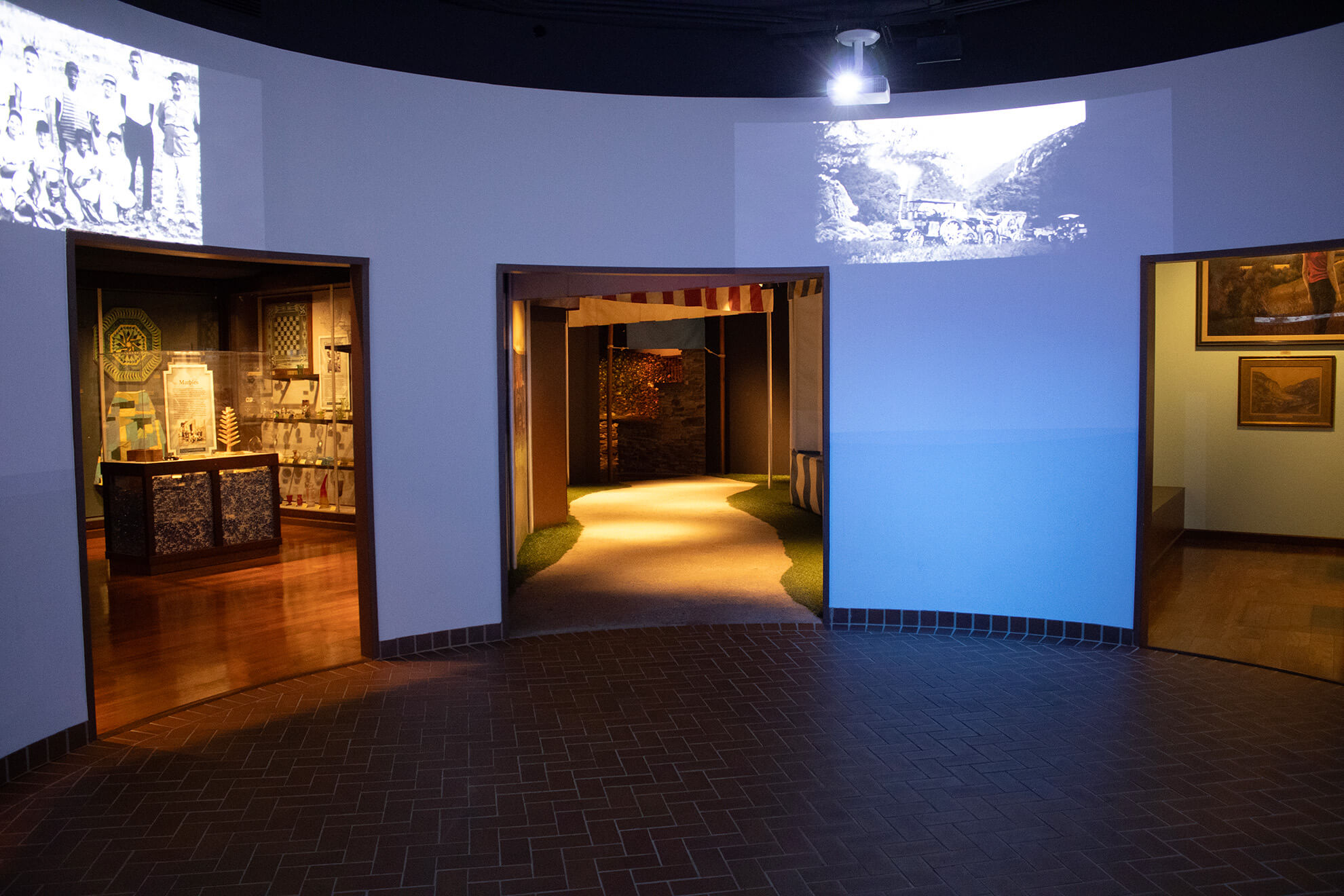
Right in the state capitol complex in Charleston is a cultural centre with a museum underground. It’s a noisy museum with audio playing in every gallery interpreting state history. The audio overlaps in the corridors.
It’s also a very southern museum. European invaders who duped the natives out of their land are called “settlers” and indigenous tribes that made jewelry and weapons a thousand years ago are called “prehistoric” as if they aren’t a part of a continual line of history today. After a brief exhibit on native-European conflict, the next gallery skips to the 1900s.
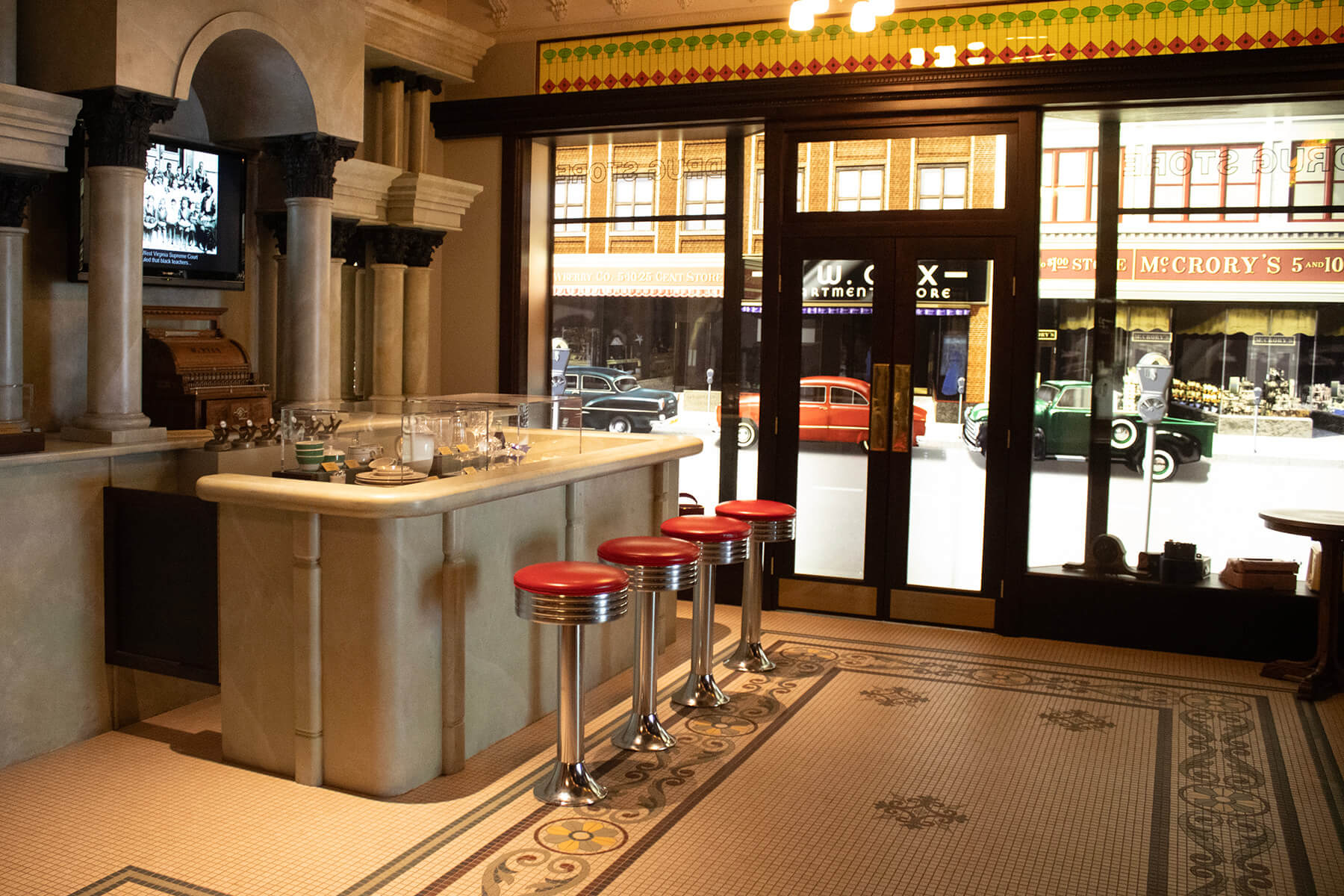
The mountain state is carved up by the Appalachians and remained poor for many decades from a lack of roads. It also meant a lot of moonshiners could get away from the law where the law couldn’t see. That all changed in the 1940s when modern equipment could move earth and bridges could span gorges. The current interstate system wasn’t completed in West Virginia until the 1990s.
During the depression, poverty-stricken West Virginia was hard hit and the federal Works Progress Administration hired millions in the state to construct public buildings and infrastructure. It also planted trees in state parks to return West Virginia to its original appearance after a century of deforestation and over-farming led to soil erosion.
Mining was an important part of the state’s economy in the 20th century, but many died of black lung without knowing it. Not even the union campaigned for workers’ rights until three doctors brought the issue to light in the 1960s, sparking protests and federal recognition of black lung as an occupational hazard.
Oh. Now I know why the order was odd. I went around the museum the wrong way. It was so dark and confusing with voices blaring at me from all directions that I got disoriented.